Mean Green Lawn and Landscape Is Becoming Black Hill Landscaping
Growth demands clarity. Precision demands identity. Mean Green Lawn and Landscape is officially becoming Black Hill Landscaping. This is not a change in ownership. It is not a shift in standards. It is not a sale. It is a strategic evolution. If you have searched for Mean Green Lawn and Landscape and found Black Hill Landscaping, you are exactly where you need to be. Why the Rebrand Is Happening Mean Green Lawn and Landscape was built on reliability, consistency, and results. Over time, the scope of our work expanded well beyond traditional lawn care. Today, our services include comprehensive landscape maintenance programs, irrigation inspections and repairs, fertilization and weed control, drainage solutions, hardscaping, design and installation, and emergency tree care. The name Black Hill Landscaping better reflects the level of execution, professionalism, and long-term vision behind our work. The rebrand aligns our identity with the caliber of service we already deliver. This is refinement, not reinvention. What Is Staying the Same While the name is evolving, the foundation remains unchanged. The same leadership.The same skilled crews.The same service offerings.The same quality standards.The same phone number.The same commitment to clear communication and dependable scheduling. If you currently have services scheduled with Mean Green Lawn and Landscape, nothing changes operationally. Your maintenance plan, irrigation service, or landscape project continues without interruption. The only difference is the name representing the work. Black Hill Landscaping carries forward the same discipline and execution that built Mean Green Lawn and Landscape. Continuing to Serve Fort Worth and White Settlement We proudly continue serving residential and commercial properties throughout Fort Worth and White Settlement. Our service area remains the same. Our standards remain the same. Our expectations for ourselves remain high. Clients in Fort Worth and White Settlement can expect the same responsiveness, the same structured service plans, and the same focus on protecting property value and curb appeal. A Stronger Name for the Next Chapter Mean Green Lawn and Landscape built the reputation. Black Hill Landscaping sharpens the identity. The mission continues with greater clarity and stronger positioning. We are committed to delivering landscaping services that are structured, proactive, and professionally managed. If you have trusted Mean Green Lawn and Landscape in the past, we look forward to continuing that relationship under Black Hill Landscaping. This is growth done deliberately.This is branding aligned with performance.This is the next chapter.
How to Identify and Treat Lawn Grubs: A Homeowner’s Guide to a Healthy Yard
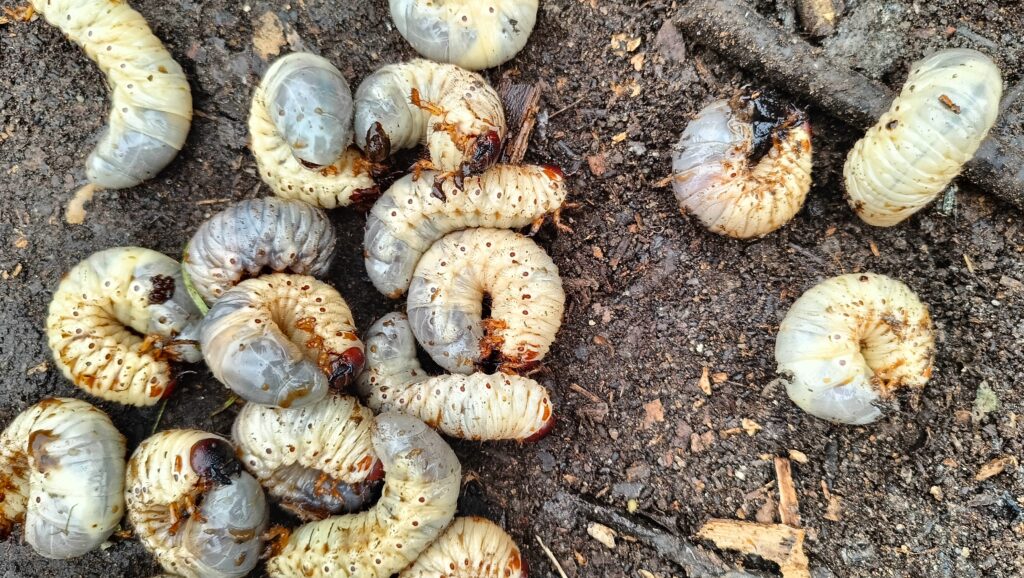
Lawn grubs can wreck your grass faster than you think, leaving behind brown patches that just won’t heal. If you’ve noticed your lawn looking tired or uneven, chances are you’re dealing with these hidden pests. Knowing how to identify grubs early and the signs of grubs in lawn can save you a lot of trouble. We’ll walk you through simple grub treatment steps that really work. Keep reading to protect your yard and prevent grub infestation before it’s too late. Identifying Lawn Grubs Spotting lawn grubs early can save your grass from major damage. These pests work underground, making them tricky to catch before they cause visible harm to your yard. Recognizing Grub Damage Brown patches that appear suddenly in your otherwise green lawn are the first red flag. These spots feel spongy when you walk on them, unlike dry patches from lack of water. If you can easily pull up sections of grass like a loose carpet, grubs have likely eaten through the root system. The damaged areas form irregular shapes and grow larger over time, especially during late summer and early fall. Another telling sign is increased animal activity. Raccoons, skunks, and birds will dig into your lawn hunting for these protein-rich snacks. Small holes and torn-up grass sections often mean animals are searching for grubs in your yard. Water won’t fix these damaged areas. Even with extra watering, grub-damaged grass continues to wilt and die because the roots are gone. This key difference helps separate grub issues from other lawn problems. How to Identify Grubs Lawn grubs are small, C-shaped creatures with cream-colored bodies and brown heads. They measure about ¼ to 1 inch long, depending on their stage of growth. To check for grubs, cut a 1-square-foot section of turf about 2-4 inches deep in a damaged area. Peel back the grass and look through the soil. Count how many grubs you find – 5-10 grubs per square foot indicates a problem that needs treatment. Grubs are the larvae of beetles, most commonly Japanese beetles, June beetles, or European chafers. Each type looks slightly different, but all cause similar damage. Japanese beetle grubs have a distinctive pattern of tiny hairs on their rear ends forming a “V” shape. Most homeowners spot grubs during spring or fall lawn work. The best time to look is when they’re feeding near the surface – typically early fall and spring. During winter and mid-summer, they burrow deeper, making detection harder. Signs of Grubs in Lawn Your grass will tell you when grubs are feeding below. Watch for grass that turns yellow then brown during late summer, even with proper watering and care. The soil beneath grub-damaged areas feels soft and spongy because the root system is gone. Push a screwdriver into these areas – if it slides in with almost no resistance, grubs might be the cause. In severe cases, you can roll up the dead turf like a carpet since nothing anchors it to the soil. Birds, especially crows and starlings, pecking repeatedly in the same lawn areas suggest grubs below. Similarly, moles, skunks, and raccoons dig small holes or tear up patches of grass hunting for these tasty morsels. Their sudden interest in your yard often means grubs have moved in. Timing matters too. Grub damage typically appears in late summer through fall, and again in spring. If your lawn showed no problems during spring but develops dead patches by August or September, grubs are likely the culprit. This pattern matches their feeding cycle as described by lawn care experts. When to Treat Lawn Grubs Timing is everything when fighting lawn grubs. The best window for treatment falls between mid-summer and early fall when grubs are young, small, and near the soil surface. July through September offers your best chance for success. During this period, newly hatched grubs feed actively near the grass roots and haven’t yet developed resistance to treatments. They’re smaller, more vulnerable, and easier to kill with less chemical input. Spring treatments work less effectively because the grubs are larger and tougher. By spring, they’ve already done most of their damage from the previous year. While you can still treat them, you’ll need stronger products and may see less impressive results. The actual number of grubs matters too. Finding 5-10 grubs per square foot warrants treatment. Fewer than that might not cause noticeable damage, while more indicates a severe infestation needing immediate attention. Weather conditions affect treatment success. Apply products when soil is moist but not saturated, and when rain is expected within 24 hours after application. This helps move the treatment down to where grubs feed without washing it away completely. Treating Grub Infestations Once you’ve confirmed grubs in your lawn, quick action prevents further damage. The right treatment approach depends on the severity of your infestation and your preferences for chemical versus natural solutions. Effective Grub Treatment Methods Chemical grub killers offer fast, reliable results when applied correctly. Products containing carbaryl, imidacloprid, or chlorantraniliprole target grubs at different life stages. Preventive treatments work best when applied before eggs hatch in early summer. These products create a barrier that kills newly hatched grubs before they damage roots. Apply them in May or June, water them in thoroughly, and they’ll protect your lawn for months. Curative treatments tackle existing infestations. These fast-acting solutions kill grubs within days but don’t last as long as preventive options. Apply them when you spot damage and water the lawn immediately after application to help the product reach the soil where grubs feed. Proper application makes a huge difference. Always follow label instructions for the correct amount per square foot. Too little won’t kill the grubs, while too much wastes money and may harm beneficial insects. Water the lawn after application with at least ½ inch of water to move the product into the soil. For severe infestations, professional pest management services may offer the most effective solution. They have access to commercial-grade products and equipment that ensure even
6 Red Flags to Be Aware of When Hiring a Landscape Contractor for Your HOA
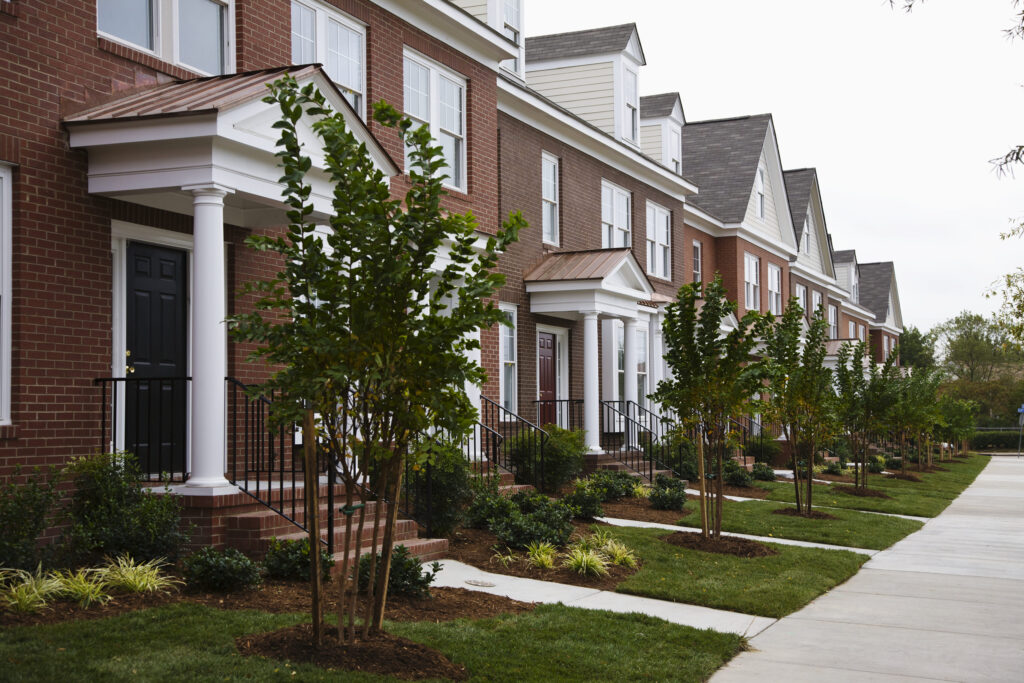
Hiring a landscape contractor for your Homeowners Association (HOA) is a crucial decision that can significantly impact the community’s aesthetics and property value. With so many options available, it’s important to spot potential red flags that might indicate a less-than-ideal candidate. From inconsistent communication to unclear contracts, these warning signs can save your HOA from future headaches. This post will walk you through the essential questions to ask landscape companies, ensuring you find a reliable partner for your community. If your HOA is seeking a dependable provider of landscaping services for HOA, Mean Green is here to offer customized solutions tailored to your needs. Common Red Flags When searching for a landscape contractor for your HOA, it’s crucial to be aware of potential warning signs. These red flags can help you avoid partnering with an unreliable or unprofessional company. Let’s explore some common issues to watch out for during the hiring process. Poor Communication Practices Effective communication is the foundation of any successful business relationship. When interviewing landscape companies, pay close attention to their responsiveness and clarity in communication. A contractor who takes days to return calls or emails may not prioritize client satisfaction. This could lead to frustration and misunderstandings down the line. Clear, prompt, and professional communication is a sign of a well-organized company. Look for contractors who are eager to answer your questions and provide detailed information about their services. If a company struggles to explain their processes or avoids addressing your concerns, consider it a red flag. Good communication is essential for a smooth working relationship between your HOA and the landscape contractor. Unprofessional Appearance First impressions matter, especially in the landscaping industry. The appearance of a contractor and their team can provide insights into their work ethic and attention to detail. When meeting with potential contractors, take note of their personal presentation. Are they dressed appropriately for the job? Do they arrive in clean, well-maintained vehicles? The condition of their equipment is another important factor to consider. Old, rusty, or poorly maintained tools may indicate a lack of investment in their business or a careless approach to their work. Remember, the landscape contractor you choose will be representing your HOA. Their appearance and professionalism should align with the standards you want to maintain in your community. Lack of Proper Licensing Ensuring your landscape contractor holds the necessary licenses is crucial for protecting your HOA and ensuring quality work. Don’t hesitate to ask for proof of licensing during the interview process. A reputable company will be happy to provide their license information. They should also be knowledgeable about local regulations and permit requirements for landscaping projects. Be wary of contractors who are reluctant to share their licensing details or claim they don’t need one. Operating without proper licensing can lead to legal issues and subpar work quality. To verify a contractor’s licensing status, check with your local licensing board or relevant government agency. This extra step can save your HOA from potential headaches in the future. No Insurance Coverage Insurance is a critical factor when hiring a landscape contractor for your HOA. It protects both the contractor and your community from potential liabilities and damages. Ask potential contractors about their insurance coverage. A reputable company should have both general liability insurance and workers’ compensation coverage. General liability insurance protects your HOA if the contractor causes damage to property during their work. Workers’ compensation covers injuries that may occur to the contractor’s employees while on your property. If a contractor can’t provide proof of insurance or tries to downplay its importance, consider it a major red flag. Working with an uninsured contractor puts your HOA at significant financial risk. Financial and Contractual Concerns When it comes to hiring a landscape contractor for your HOA, financial transparency and clear contractual terms are essential. These aspects can make or break the success of your landscaping project. Let’s examine some key areas to focus on during the hiring process. Vague Pricing Structures Clear and detailed pricing is crucial when evaluating landscape contractors for your HOA. Vague or overly simplistic pricing structures can lead to misunderstandings and unexpected costs. Be cautious of contractors who provide only a lump sum without explanation. A reputable company will be willing to discuss their pricing in detail and explain any factors that might affect the final cost. It’s important to ask about potential additional charges or fees that may not be included in the initial quote. This can help prevent surprises on your invoice and ensure your HOA budgets accurately for landscaping services. Unclear Contract Terms A well-written, comprehensive contract is the foundation of a successful relationship with your landscape contractor. Pay close attention to the terms and conditions outlined in the agreement. The contract should clearly state the scope of work, timeline for completion, payment terms, and any guarantees or warranties offered by the contractor. Be wary of contracts with vague language or missing details. A professional landscape company will provide a thorough contract that addresses all aspects of the project. Don’t hesitate to ask for clarification on any terms you don’t understand. A reputable contractor will be happy to explain the contract in detail and address any concerns you may have. Why Mean Green Lawn and Landscape is the Right Choice for Your HOA After identifying the red flags to avoid when hiring a landscape contractor, it’s equally important to highlight what makes a company a reliable partner. For HOAs searching for a dependable landscape provider, Mean Green Lawn and Landscape is an ideal choice. Our commitment to excellence ensures that community landscapes are not just maintained, but thrive, enhancing aesthetics and property value. Contact us today to learn more about how we can help improve your community’s landscape.
Step-by-Step Sprinkler Repair

This guide teaches homeowners how to repair a broken sprinkler head, covering preparation, problem identification, removal, and installation. It emphasizes safety, routine maintenance, and when to seek professional help.
The Ultimate Guide to Sod Installation in North Texas: Tips for Homeowners
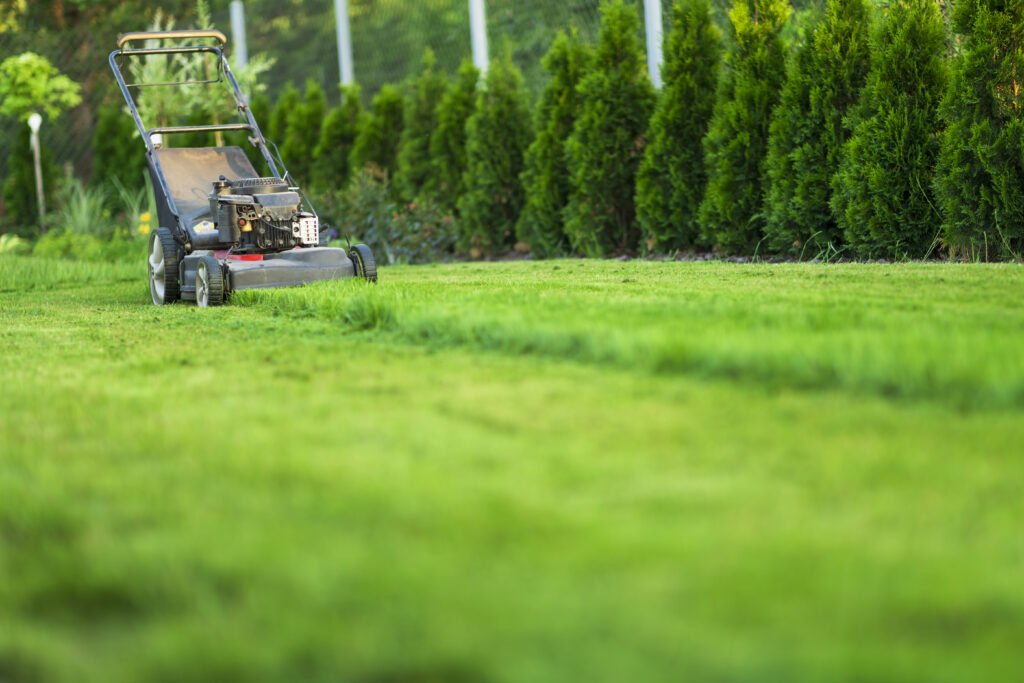
The guide provides tips for sod installation in North Texas, covering timing, tool requirements, soil preparation, and sod selection for sun and shade. It emphasizes post-installation care and offers professional assistance.
Behind the Scenes: A Day in the Life of Our Maintenance Crews
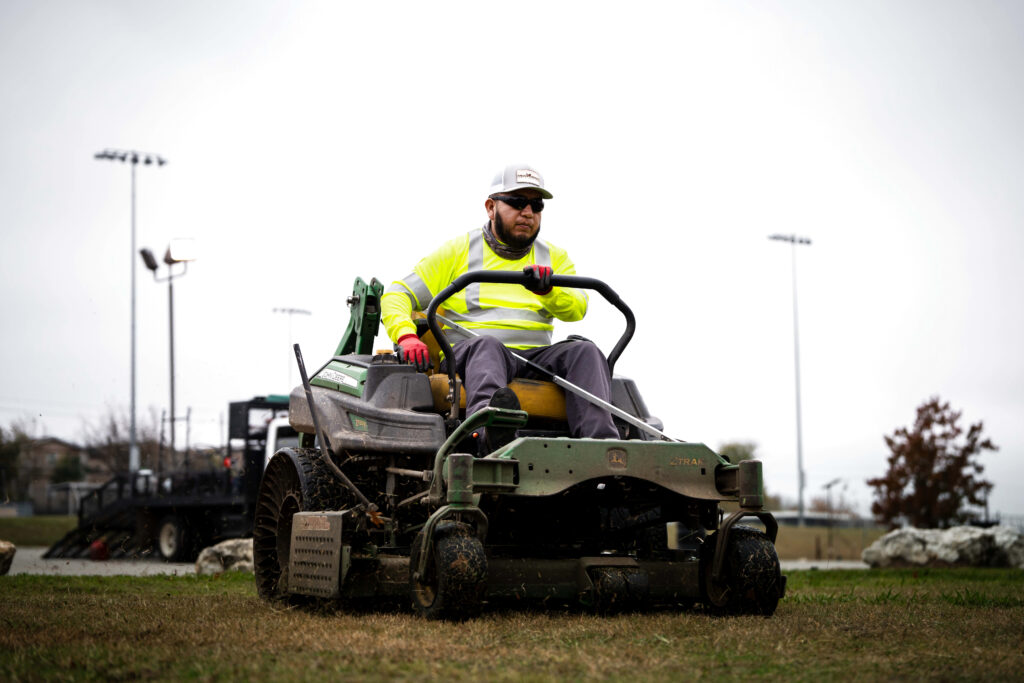
Our maintenance crews expertly transform yards into lush landscapes, starting with early morning mowing in ideal conditions. They use specialized tools and eco-friendly techniques, focusing on pruning, weed control, and sustainable practices. The workday includes planning, execution, and preparation for the next day, ensuring efficient service and long-term lawn health.
WiFi vs. Non-WiFi Irrigation Controllers: What Works Best for Your Lawn & Garden?
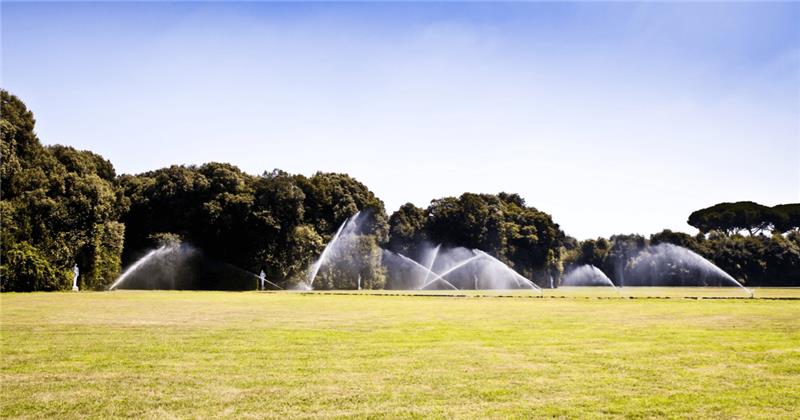
Explore WiFi vs. non-WiFi irrigation controllers, weighing pros and cons for optimal lawn care. Consider costs, benefits, and timing for upgrading to smart irrigation technology.
A Beginner’s Guide: Pruning Live Oak, Crepe Myrtle, Red Oak, and Cedar Elm
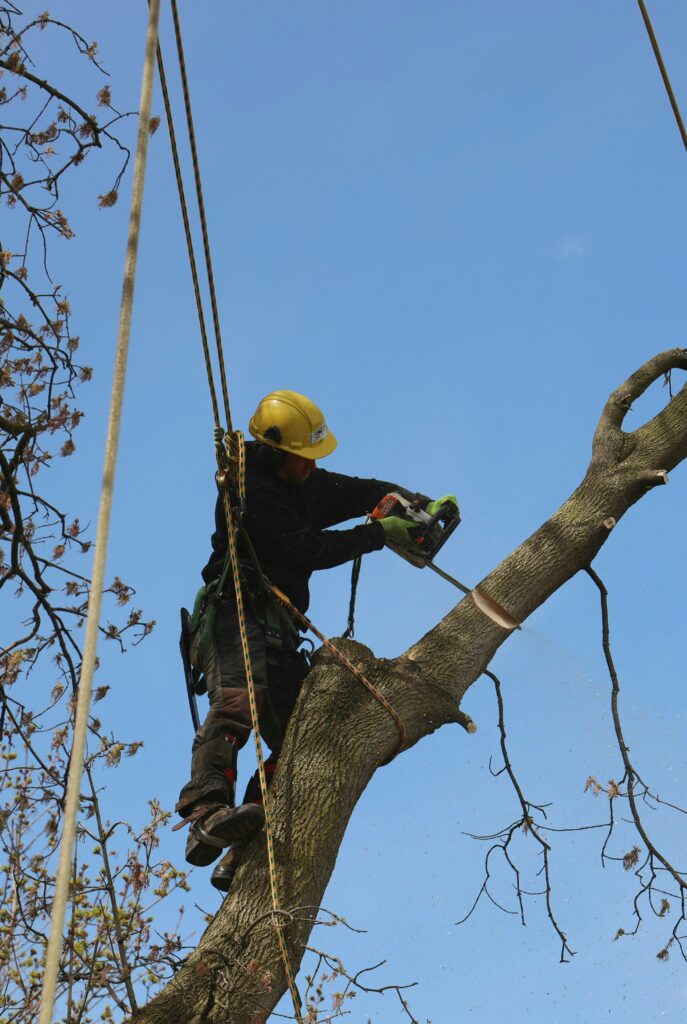
Guide on pruning Live Oak, Crepe Myrtle, Red Oak, and Cedar Elm trees in North Texas. Covers timing, techniques, and when to seek professional help for tree health and landscape beauty.
Guide on Common Sprinkler Problems and How to Identify Them
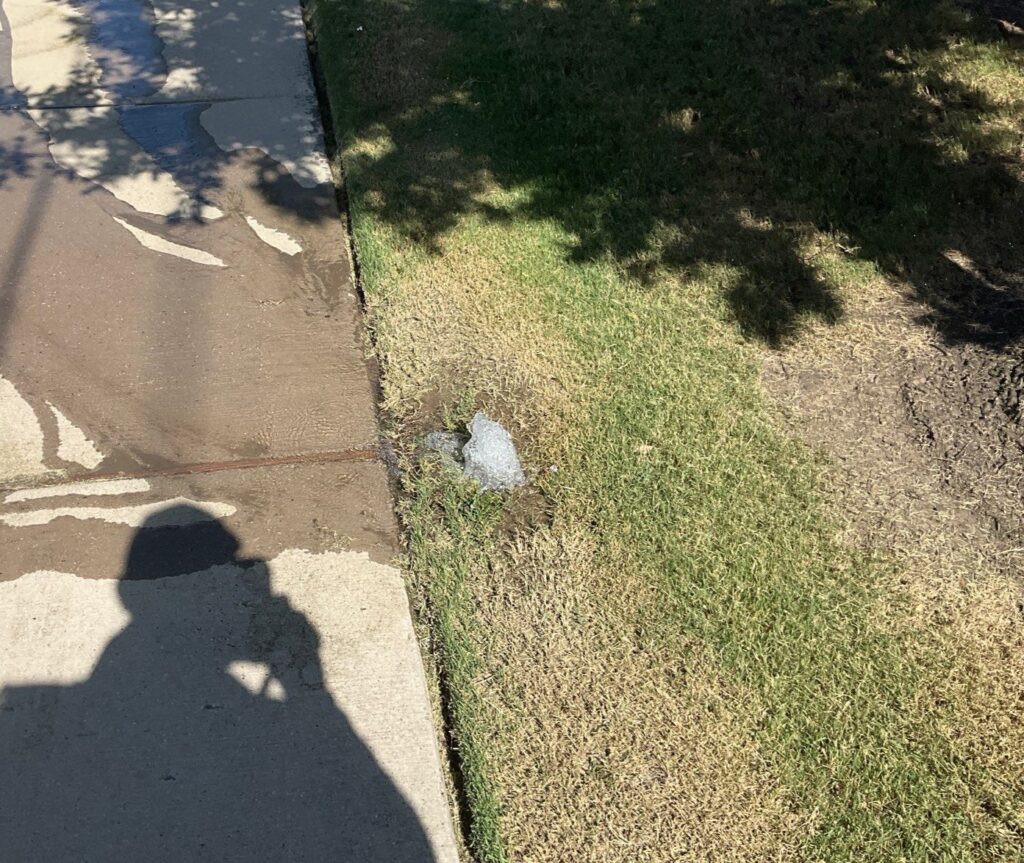
Maintain your sprinkler system with regular checks, pressure adjustments, and seasonal care. Upgrade to smart tech for efficiency and address leaks, clogs, and timer issues promptly.
Attracting Pollinators: Native Flower Gardens
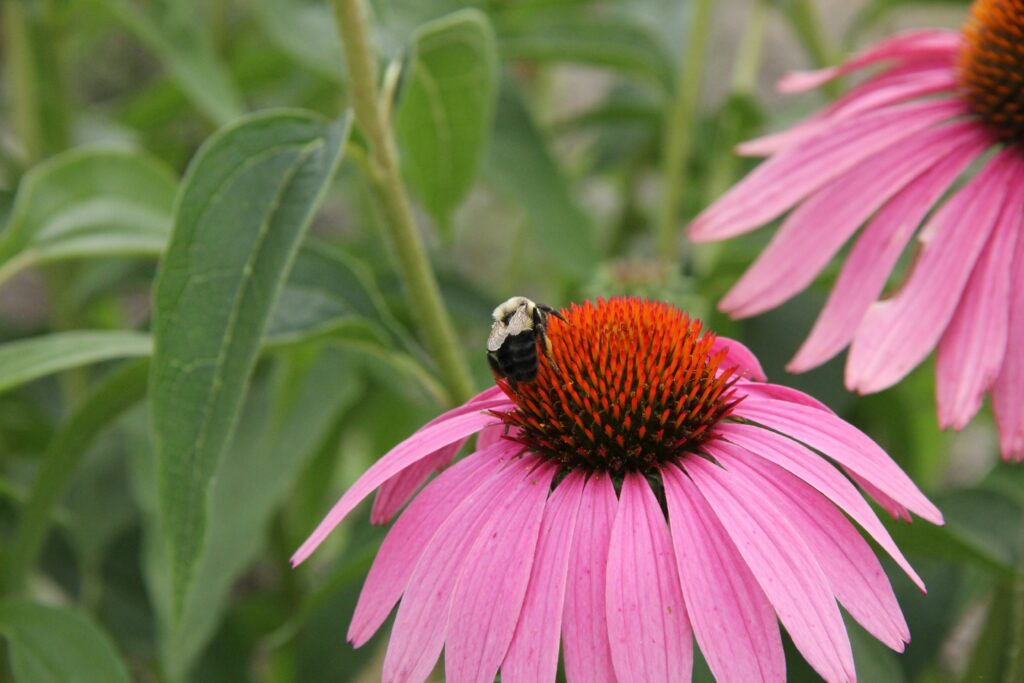
Create native flower gardens to attract bees and butterflies, enhancing biodiversity and supporting ecosystems. Includes plant selection, design tips, and community engagement ideas.