How to Identify and Treat Lawn Grubs: A Homeowner’s Guide to a Healthy Yard
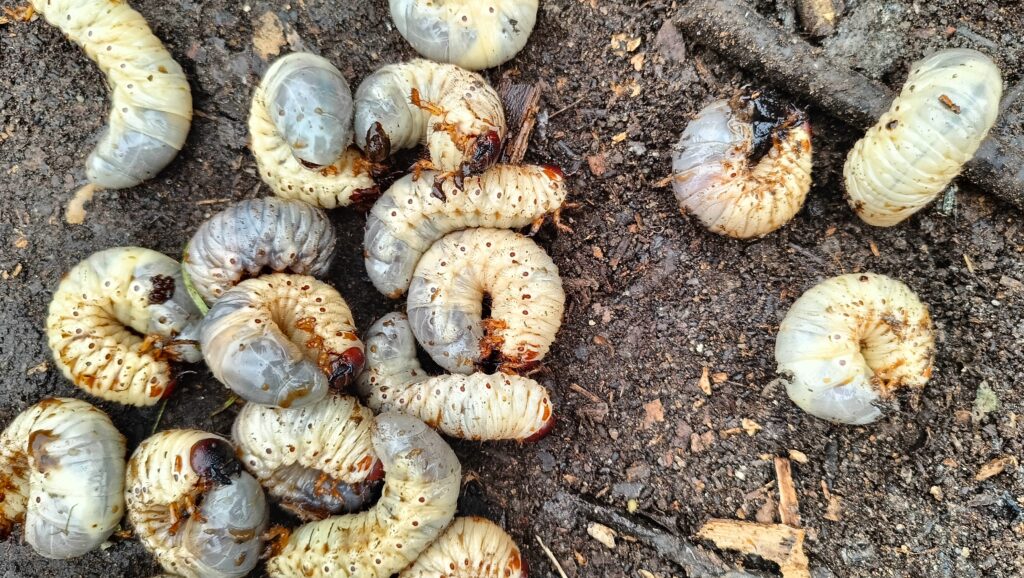
Lawn grubs can wreck your grass faster than you think, leaving behind brown patches that just won’t heal. If you’ve noticed your lawn looking tired or uneven, chances are you’re dealing with these hidden pests. Knowing how to identify grubs early and the signs of grubs in lawn can save you a lot of trouble. We’ll walk you through simple grub treatment steps that really work. Keep reading to protect your yard and prevent grub infestation before it’s too late. Identifying Lawn Grubs Spotting lawn grubs early can save your grass from major damage. These pests work underground, making them tricky to catch before they cause visible harm to your yard. Recognizing Grub Damage Brown patches that appear suddenly in your otherwise green lawn are the first red flag. These spots feel spongy when you walk on them, unlike dry patches from lack of water. If you can easily pull up sections of grass like a loose carpet, grubs have likely eaten through the root system. The damaged areas form irregular shapes and grow larger over time, especially during late summer and early fall. Another telling sign is increased animal activity. Raccoons, skunks, and birds will dig into your lawn hunting for these protein-rich snacks. Small holes and torn-up grass sections often mean animals are searching for grubs in your yard. Water won’t fix these damaged areas. Even with extra watering, grub-damaged grass continues to wilt and die because the roots are gone. This key difference helps separate grub issues from other lawn problems. How to Identify Grubs Lawn grubs are small, C-shaped creatures with cream-colored bodies and brown heads. They measure about ¼ to 1 inch long, depending on their stage of growth. To check for grubs, cut a 1-square-foot section of turf about 2-4 inches deep in a damaged area. Peel back the grass and look through the soil. Count how many grubs you find – 5-10 grubs per square foot indicates a problem that needs treatment. Grubs are the larvae of beetles, most commonly Japanese beetles, June beetles, or European chafers. Each type looks slightly different, but all cause similar damage. Japanese beetle grubs have a distinctive pattern of tiny hairs on their rear ends forming a “V” shape. Most homeowners spot grubs during spring or fall lawn work. The best time to look is when they’re feeding near the surface – typically early fall and spring. During winter and mid-summer, they burrow deeper, making detection harder. Signs of Grubs in Lawn Your grass will tell you when grubs are feeding below. Watch for grass that turns yellow then brown during late summer, even with proper watering and care. The soil beneath grub-damaged areas feels soft and spongy because the root system is gone. Push a screwdriver into these areas – if it slides in with almost no resistance, grubs might be the cause. In severe cases, you can roll up the dead turf like a carpet since nothing anchors it to the soil. Birds, especially crows and starlings, pecking repeatedly in the same lawn areas suggest grubs below. Similarly, moles, skunks, and raccoons dig small holes or tear up patches of grass hunting for these tasty morsels. Their sudden interest in your yard often means grubs have moved in. Timing matters too. Grub damage typically appears in late summer through fall, and again in spring. If your lawn showed no problems during spring but develops dead patches by August or September, grubs are likely the culprit. This pattern matches their feeding cycle as described by lawn care experts. When to Treat Lawn Grubs Timing is everything when fighting lawn grubs. The best window for treatment falls between mid-summer and early fall when grubs are young, small, and near the soil surface. July through September offers your best chance for success. During this period, newly hatched grubs feed actively near the grass roots and haven’t yet developed resistance to treatments. They’re smaller, more vulnerable, and easier to kill with less chemical input. Spring treatments work less effectively because the grubs are larger and tougher. By spring, they’ve already done most of their damage from the previous year. While you can still treat them, you’ll need stronger products and may see less impressive results. The actual number of grubs matters too. Finding 5-10 grubs per square foot warrants treatment. Fewer than that might not cause noticeable damage, while more indicates a severe infestation needing immediate attention. Weather conditions affect treatment success. Apply products when soil is moist but not saturated, and when rain is expected within 24 hours after application. This helps move the treatment down to where grubs feed without washing it away completely. Treating Grub Infestations Once you’ve confirmed grubs in your lawn, quick action prevents further damage. The right treatment approach depends on the severity of your infestation and your preferences for chemical versus natural solutions. Effective Grub Treatment Methods Chemical grub killers offer fast, reliable results when applied correctly. Products containing carbaryl, imidacloprid, or chlorantraniliprole target grubs at different life stages. Preventive treatments work best when applied before eggs hatch in early summer. These products create a barrier that kills newly hatched grubs before they damage roots. Apply them in May or June, water them in thoroughly, and they’ll protect your lawn for months. Curative treatments tackle existing infestations. These fast-acting solutions kill grubs within days but don’t last as long as preventive options. Apply them when you spot damage and water the lawn immediately after application to help the product reach the soil where grubs feed. Proper application makes a huge difference. Always follow label instructions for the correct amount per square foot. Too little won’t kill the grubs, while too much wastes money and may harm beneficial insects. Water the lawn after application with at least ½ inch of water to move the product into the soil. For severe infestations, professional pest management services may offer the most effective solution. They have access to commercial-grade products and equipment that ensure even
Step-by-Step Sprinkler Repair

This guide teaches homeowners how to repair a broken sprinkler head, covering preparation, problem identification, removal, and installation. It emphasizes safety, routine maintenance, and when to seek professional help.
The Ultimate Guide to Sod Installation in North Texas: Tips for Homeowners
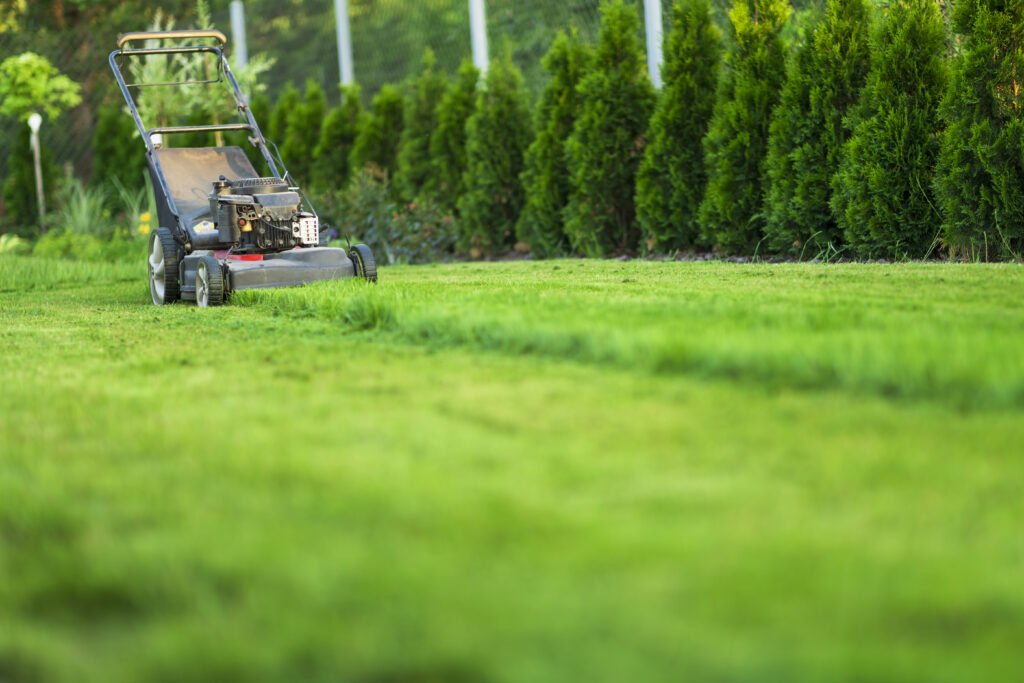
The guide provides tips for sod installation in North Texas, covering timing, tool requirements, soil preparation, and sod selection for sun and shade. It emphasizes post-installation care and offers professional assistance.
Guide on Common Sprinkler Problems and How to Identify Them
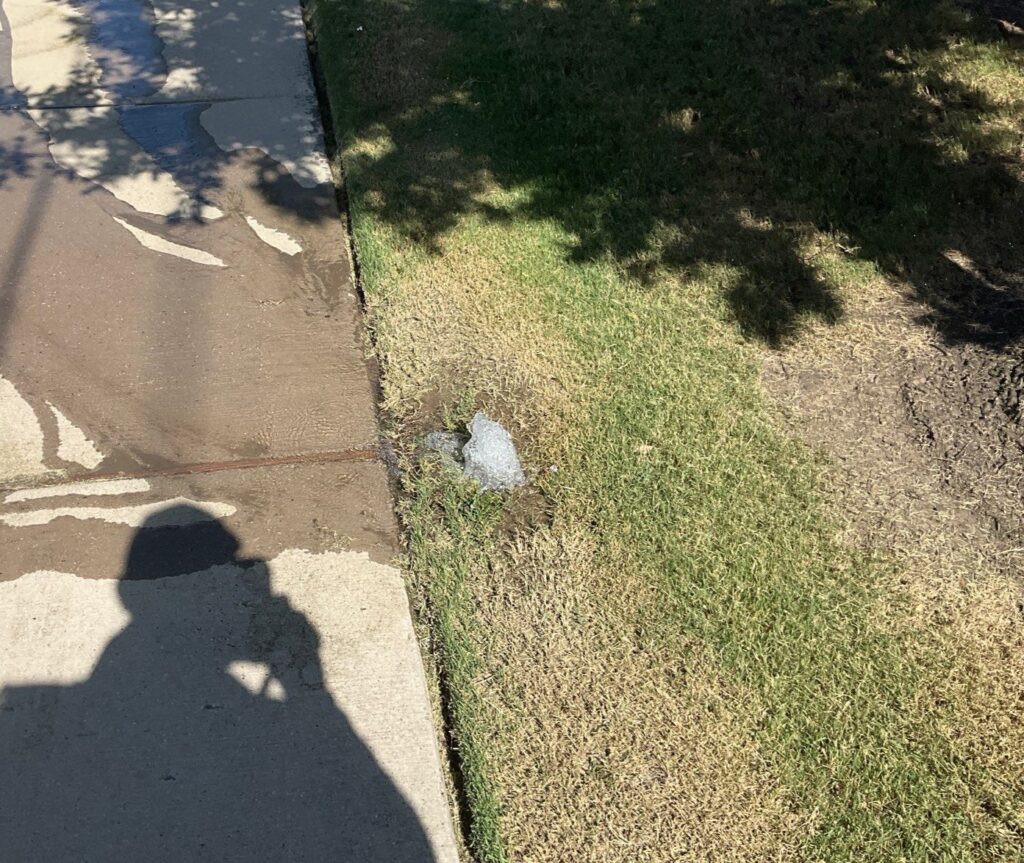
Maintain your sprinkler system with regular checks, pressure adjustments, and seasonal care. Upgrade to smart tech for efficiency and address leaks, clogs, and timer issues promptly.
Attracting Pollinators: Native Flower Gardens
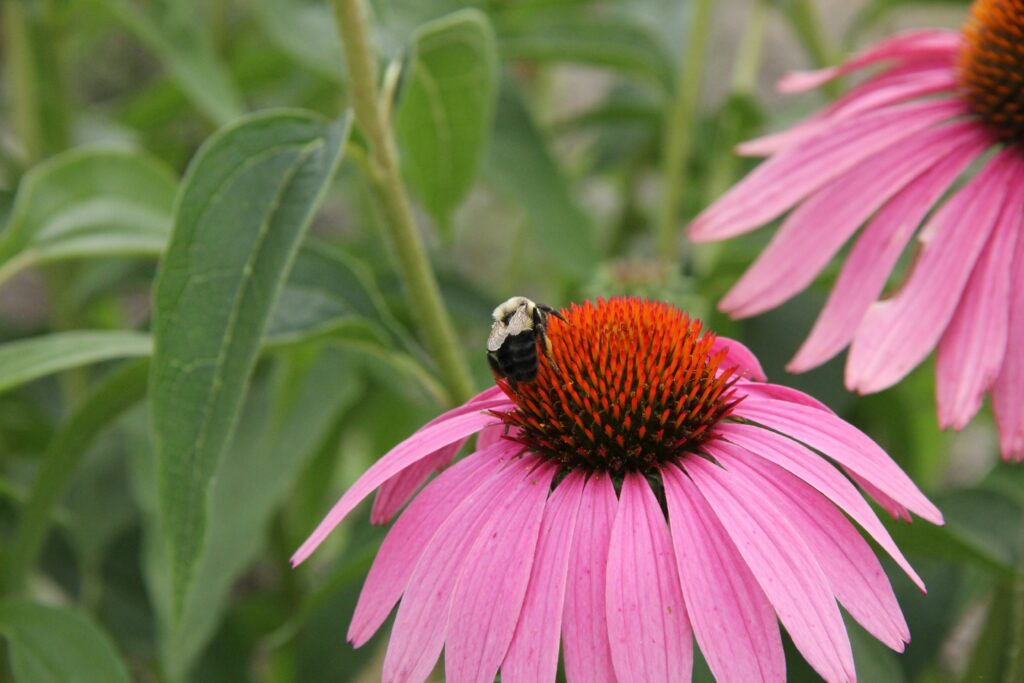
Create native flower gardens to attract bees and butterflies, enhancing biodiversity and supporting ecosystems. Includes plant selection, design tips, and community engagement ideas.
Identifying and Managing Brown Patch, Spider Mites, and Chinch Bugs in St. Augustine and Zoysia Lawns
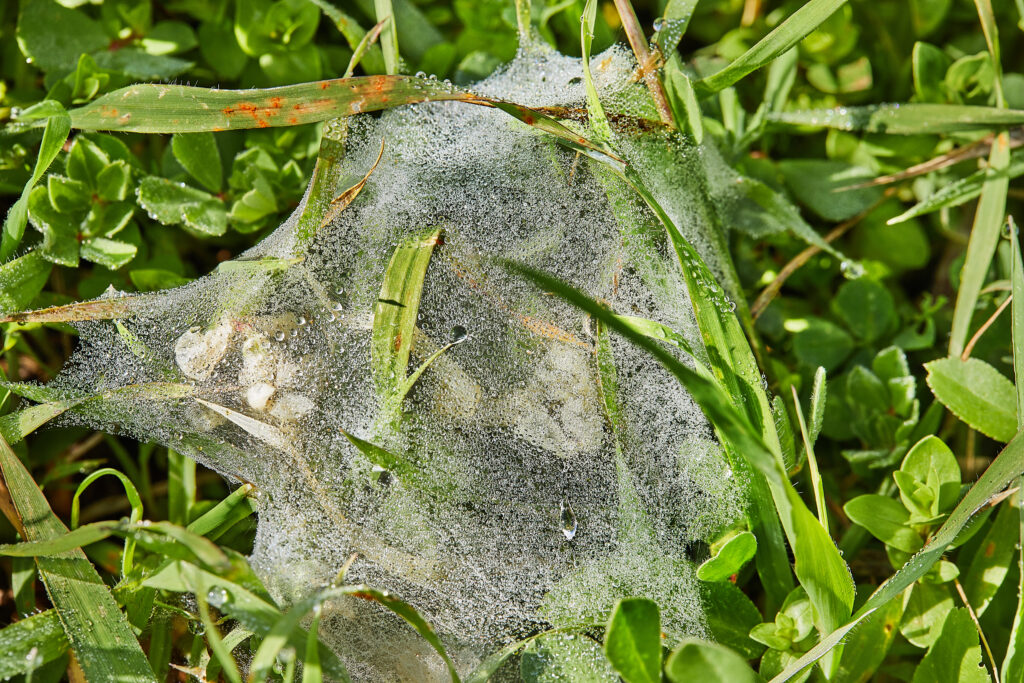
Tips for managing brown patch, spider mites, and chinch bugs in St. Augustine and Zoysia lawns. Includes identification, treatment, and preventive measures for maintaining healthy lawns.
Sod Installation Secrets: How to Get a Thick, Lush Lawn in Just 30 Days
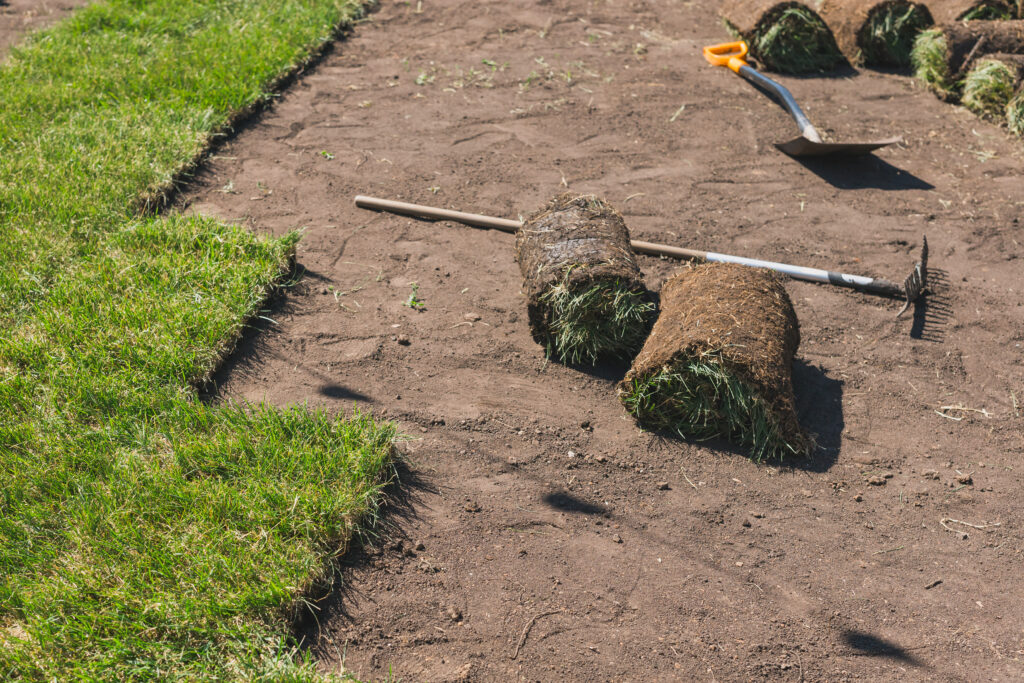
A beautiful, green lawn doesn’t have to take years to achieve. With the right sod installation techniques, you can transform your yard in as little as 30 days. Whether you’re tired of patchy grass or starting from scratch, this guide will show you how to get that thick, lush lawn you’ve always wanted. Why Choose Sod Instead of Seeding? Sod offers instant results. Instead of waiting months for grass seed to fill in, sod gives you a fully grown lawn from day one. It also prevents soil erosion and reduces weeds, making it an excellent choice for homeowners who want quick, professional-looking results. When to Install Sod The best time to install sod in Texas is during spring or early fall. These seasons provide optimal temperatures and moisture levels, allowing the roots to establish quickly. Avoid laying sod during the hottest part of summer, as it can dry out and struggle to take root. Step-by-Step Sod Installation Process 1. Prepare the Soil Start by removing existing grass, weeds, and debris. Use a rototiller to loosen the soil and create a smooth surface. Adding compost or topsoil improves nutrient content and drainage. 2. Grade the Area Make sure your yard is graded so water drains away from your home. This prevents pooling and promotes even growth. 3. Level and Firm the Soil Use a rake to level the soil, then lightly water it and pack it down with a roller. This creates a stable base for your sod. 4. Lay the Sod Begin laying sod along a straight edge, such as a driveway or sidewalk. Stagger the seams like bricks to avoid creating visible lines. 5. Press the Seams Gently press the seams together to avoid gaps. This helps the sod knit together faster and prevents weeds from taking root. 6. Water Immediately A properly functioning sprinkler system is essential for a successful sod installation. As soon as the sod is in place, give it a thorough soaking. Continue watering daily for the first two weeks, then gradually reduce to a regular schedule. How to Care for New Sod Watering Schedule Mowing Wait until the grass reaches about 3 inches tall before mowing. Never cut more than one-third of the grass height in a single mowing session. Fertilizing Apply a balanced fertilizer after the sod has been established for at least four weeks. This encourages deep roots and a healthy lawn. Common Mistakes to Avoid When to Call a Professional While some homeowners tackle sod installation themselves, hiring a professional ensures the job is done right the first time. At Mean Green Lawn & Landscape, we handle every step; from soil prep to watering schedule, so you can enjoy a beautiful, green lawn without the guesswork. Final Thoughts Installing sod is one of the fastest ways to get a lush, green lawn. By following these steps and avoiding common mistakes, you can enjoy a thick, healthy yard in just 30 days. Ready to transform your landscape? Contact Mean Green Lawn & Landscape today for a free sod installation estimate and let’s get started on the yard of your dreams.
The Silent Culprit Behind Lawn Struggles: Soil Compaction

When your lawn isn’t thriving despite regular mowing, watering, and fertilizing, the problem might lie beneath the surface—literally. One of the most overlooked yet impactful challenges for homeowners and businesses alike is soil compaction. This often-hidden issue can silently sabotage your lawn’s health and prevent it from reaching its full potential. At Mean Green Lawn and Landscape, we’ve encountered countless cases of soil compaction and helped our clients revive their lawns through tailored solutions. In this comprehensive guide, we’ll explore the causes, effects, and remedies for soil compaction, empowering you to take control of your outdoor space. What Is Soil Compaction? Soil compaction occurs when soil particles are pressed tightly together, reducing the spaces between them. These spaces, known as pore spaces, are crucial for the movement of air, water, and nutrients—essential elements that roots need to thrive. Common causes of soil compaction include: Why Soil Compaction Is a Big Problem While soil compaction might not be as immediately visible as weeds or brown patches, its long-term effects are far-reaching and detrimental to your lawn’s health. Here’s why addressing soil compaction is crucial: Restricts Root Growth Roots require space to grow and spread. In compacted soil, roots are forced to stay near the surface, limiting their access to water and nutrients deeper in the ground. This results in weak, shallow roots that can’t support a healthy lawn. ➡️ Explore Our Landscape Design Services to Revamp Problematic Areas Reduces Water Penetration Compacted soil is like a tightly packed sponge—water simply can’t penetrate it. Instead, it pools on the surface, leading to runoff and erosion. This not only wastes water but also deprives your lawn of essential hydration. ➡️ Learn About Our Sprinkler Services to Ensure Proper Watering Promotes Weed Growth When grass struggles to grow, weeds often take over. Weeds thrive in the harsh conditions created by compacted soil, further exacerbating the problem. Increases Susceptibility to Disease Poor drainage caused by compacted soil creates an ideal environment for fungal diseases. Excess water sitting on the surface can lead to conditions like root rot, which further weakens your lawn. How to Identify Soil Compaction You might be wondering: how can you tell if soil compaction is affecting your lawn? Fortunately, there are several simple ways to diagnose the issue. The Screwdriver Test This quick test involves sticking a screwdriver into the soil. If you struggle to insert it, the soil is likely compacted. Healthy soil should allow for easy penetration. Visual Signs Professional Soil Analysis For a more in-depth understanding, consider hiring professionals like Mean Green Lawn and Landscape to conduct a soil analysis. This can identify not just compaction but also nutrient deficiencies and other underlying problems. ➡️ Schedule a Lawn Consultation with Us Today Solutions for Soil Compaction The good news is that soil compaction can be effectively addressed with the right techniques. Here are some tried-and-true methods to restore your lawn’s health: Core Aeration Core aeration is one of the most effective ways to combat soil compaction. This process involves removing small plugs of soil (cores) from your lawn, creating channels that allow air, water, and nutrients to penetrate deeper. At Mean Green Lawn and Landscape, we use state-of-the-art aeration equipment to ensure optimal results. For the best impact, aeration should be performed in spring or fall, when grass is actively growing. ➡️ Learn More About Our Lawn Maintenance Services Topdressing with Organic Matter After aeration, adding a thin layer of organic matter such as compost can improve soil structure. Over time, this enhances the soil’s ability to retain water and nutrients while promoting better root growth. Reduce Foot Traffic Minimize wear and tear on high-traffic areas by redirecting footpaths or adding stepping stones. For larger properties, consider creating designated pathways with custom stonework for both functionality and aesthetic appeal. ➡️ See Our Custom Stonework Options Address Drainage Issues Poor drainage can worsen soil compaction. Installing a professional drainage system can prevent water from pooling and compacting the soil further. ➡️ Check Out Our Drainage Solutions Regular Maintenance Maintaining a healthy lawn requires ongoing care. Consistent mowing, watering, and fertilizing—combined with seasonal aeration—will help prevent compaction and keep your lawn lush and vibrant. ➡️ Let Us Handle Your Lawn Maintenance How Mean Green Lawn and Landscape Can Help At Mean Green Lawn and Landscape, we specialize in diagnosing and resolving lawn issues like soil compaction. Our team of experts takes a holistic approach, ensuring that every aspect of your lawn is optimized for growth and resilience. Here’s what sets us apart: ➡️ Explore All of Our Services Tips for Preventing Soil Compaction Once you’ve addressed soil compaction, it’s important to take preventive measures to avoid future problems. Here are some tips: Conclusion Soil compaction may not be as visible as weeds or pests, but its impact on your lawn’s health is undeniable. By understanding the causes, effects, and solutions for this common issue, you can take proactive steps to revive and maintain a lush, thriving lawn. At Mean Green Lawn and Landscape, we’re here to help you every step of the way. Whether you need aeration, drainage solutions, or a complete lawn makeover, our team is ready to transform your outdoor space. ➡️ Contact Us Today to Get Started Let’s work together to unlock your lawn’s full potential!
Solving Sprinkler and Drainage Problems in Tarrant County: Tips from the Experts

Ah, the sweet sound of sprinklers quietly watering your lush lawn—until suddenly, it’s replaced by the ominous splash of water pooling in all the wrong places. Sprinkler and drainage issues are the bane of any Tarrant County homeowner’s existence. The good news? With the right know-how (or the right experts), you can turn your water woes into a well-hydrated, perfectly drained paradise. Ready to solve those problems and keep your landscape looking its best? Let’s dive into some expert tips! Sprinkler System Headaches: Diagnosing Common Problems Sprinkler systems are supposed to be convenient, but when things go wrong, they can quickly become a nightmare. Here are some common issues and what they mean: Not sure where to start? Our sprinkler repair services can get your system back in top shape in no time. Sprinkler System Tune-Ups: Keep Your System Running Smoothly Think of your sprinkler system as a car. It needs regular tune-ups to perform efficiently. Set a reminder to have your system checked at the beginning of each season, especially after our unpredictable Texas weather. Our sprinkler installation team can help you set up a system that practically runs itself, saving you time, money, and hassle. Drainage Disasters: How to Avoid a Swampy Yard A well-irrigated lawn is great, but a yard that turns into a swamp every time it rains? Not so much. Drainage issues can lead to plant damage, soil erosion, and even foundation problems. Here’s how to keep things dry where they should be: Need expert advice on drainage? Our drainage services can help you reclaim your yard from waterlogged chaos. DIY vs. Calling in the Pros: When to Get Expert Help Let’s be honest: Some sprinkler and drainage problems can be a fun DIY project (if you enjoy getting your hands dirty). But others? Not so much. Here’s when to give it a go and when to call in the experts: Our Mean Green Lawn and Landscape team is always ready to jump in, whether you need a simple repair or a complete system overhaul. Water-Wise Landscaping: Make Every Drop Count Water is a precious resource, especially in Texas. By designing a water-efficient landscape, you can reduce waste and keep your property looking stunning. Here are some ideas: Want to transform your landscape into a water-efficient wonderland? Our landscape design experts can craft a plan that’s both beautiful and sustainable. Ready to Say Goodbye to Sprinkler and Drainage Woes? Sprinkler and drainage issues don’t have to be a never-ending battle. With a bit of regular maintenance, smart upgrades, and the right solutions, your Tarrant County property can stay lush and well-drained, no matter what Mother Nature throws your way. At Mean Green Lawn and Landscape, we’re here to keep your lawn hydrated and happy without any of the headaches. Contact us today for professional service and peace of mind!
Landscaping Secrets for a Drought-Resilient Texas Lawn

A lush green lawn can be challenging to maintain in the face of Texas’ hot summers, unpredictable rainfall, and periodic droughts. At Mean Green Lawn and Landscape, we believe that a beautiful, sustainable lawn doesn’t have to break the bank—or the environment. By making a few smart choices in design, plant selection, and maintenance, it’s possible to create a drought-resistant landscape that thrives even in the driest Texas conditions. In this blog, we’ll share top strategies to help you transform your lawn into a drought-tolerant masterpiece. From choosing the right grass types to smart watering practices, we’ve got you covered. Let’s dive in! Why a Drought-Resilient Lawn Matters Texans know that water scarcity is a reality, especially during the summer months. Water-wise landscaping not only saves precious resources but also makes financial sense. Creating a drought-resistant landscape is about sustainability, and it benefits property owners in several ways: Explore our landscape design and installation services to find out how Mean Green can help you create a beautiful landscape that lasts. Choose the Right Drought-Tolerant Grass One of the most effective ways to create a drought-resistant lawn is to select grass types that can withstand Texas’s hot, dry climate. Not all grasses are created equal, and picking the right one can make a big difference. Here are some of the best options: Each type has its unique benefits and maintenance needs. Not sure which one’s right for you? Contact us through our contact page to speak with a Mean Green Lawn and Landscape expert. Embrace Native Plants for a Texas-Ready Landscape While a grass lawn is traditional, incorporating native plants can reduce water use and add beauty and biodiversity to your landscape. Native plants are adapted to Texas’s climate and soil, making them more resilient and easier to maintain. Consider adding these to your landscape: A well-thought-out native plant layout can reduce the lawn area and water needs while enhancing curb appeal. To learn more about native landscaping options, check out our landscape design services. Improve Soil Quality for Better Water Retention Healthy soil is the foundation of any drought-tolerant lawn. The quality of your soil impacts how well it retains moisture, supports root growth, and encourages plant health. Here’s how you can improve your soil: Proper soil preparation goes a long way toward creating a resilient lawn. Our lawn maintenance services can help keep your soil in top shape all year. Practice Efficient Watering Techniques Watering smarter, not harder, is a key principle in maintaining a drought-tolerant landscape. Here’s how you can ensure your lawn gets just the right amount of moisture: Need help setting up a water-efficient irrigation system? Check out our sprinkler services to make every drop count! Apply Mulch Strategically Mulch isn’t just for flower beds; it’s also an excellent tool for retaining moisture in soil and regulating temperature. Here’s why mulch is a must-have for Texas landscaping: Apply a layer of organic mulch around trees, shrubs, and flower beds, especially in high-sun areas. Our team at Mean Green can recommend the best mulch options for your landscape through our landscape installation services. Reduce Your Lawn Size Reducing lawn size is a trend that’s growing in popularity, especially in drought-prone areas. By incorporating hardscaping elements such as gravel, stone pathways, and decorative boulders, you can create a beautiful, low-maintenance landscape that requires minimal water. Some popular hardscaping ideas include: For more hardscaping inspiration, explore our stonework services to design a unique landscape that’s both stunning and sustainable. Start Your Journey to a Drought-Resilient Landscape Adopting drought-tolerant landscaping doesn’t mean sacrificing style or greenery. By choosing the right plants, improving soil quality, watering efficiently, and incorporating hardscaping elements, you can create a resilient, beautiful landscape that withstands Texas’s toughest weather. At Mean Green Lawn and Landscape, we’re passionate about helping Texans create sustainable landscapes that thrive, rain or shine. Ready to transform your outdoor space? Contact Mean Green Lawn and Landscape today to schedule a consultation, or explore our wide range of landscaping services designed to keep Texas lawns green and gorgeous. Get a Free Quote: (817) 995-0324